Collection: Hollyhocks
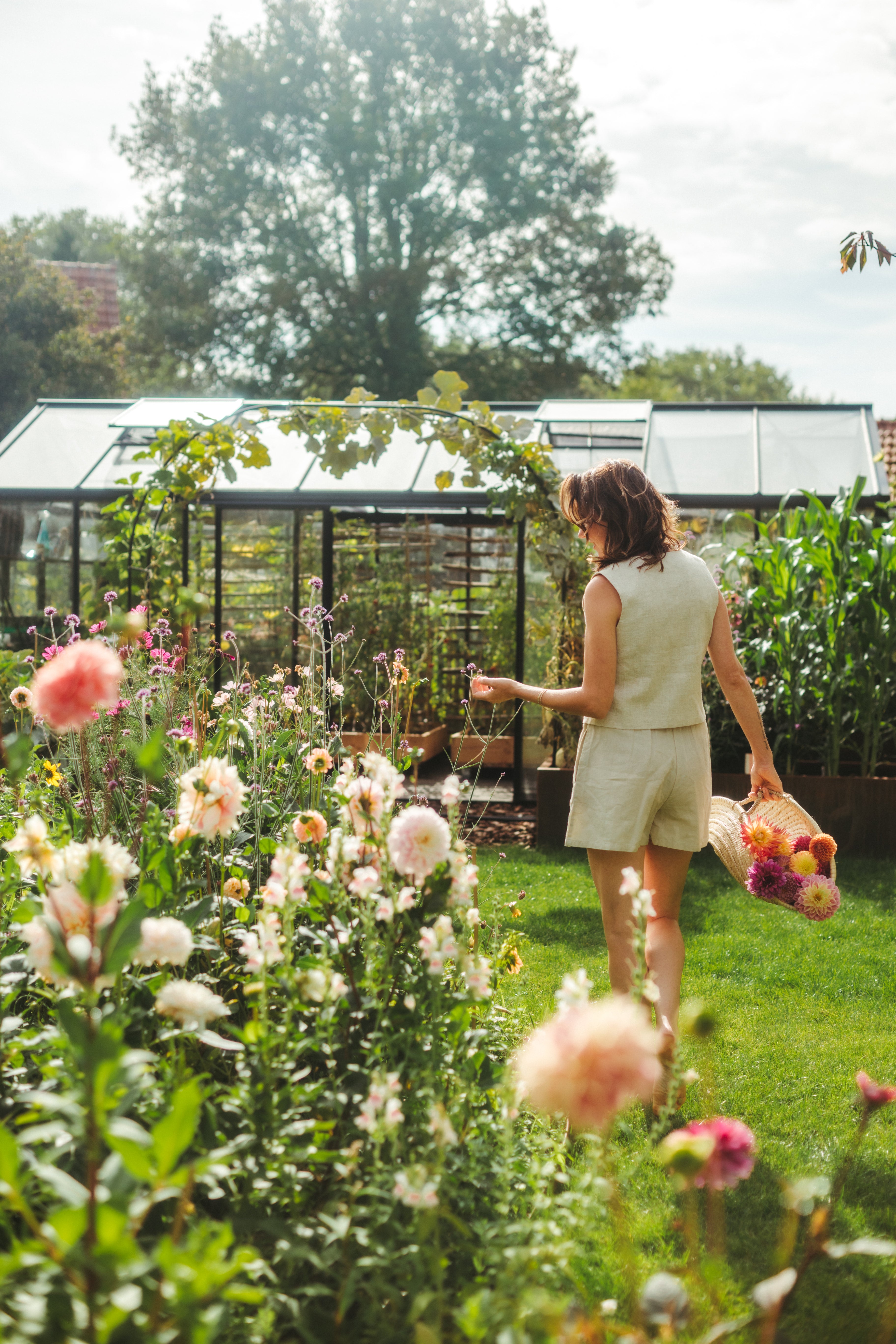
The vibrant flowers of hollyhock bulbs are a real asset to any garden because of the nearly round globes with fluttering petals in beautiful color variations such as apricot, chestnut brown, soft yellow, and creamy white.
Kies op kleur, van licht en fris naar warm en intens. Alle soorten zijn onderling te combineren.
No products found
Use fewer filters or remove all
Biennial crop of hollyhock flower bulbs
Hollyhocks are a biennial plant that flowers in summer. Common names include ball rose, flier, and farmer's rose. Hollyhock bulbs prefer poor clay soil. If you have a garden with sandy soil, we recommend trying the darker flower shades, as they usually thrive there. In dry weather, the plant needs extra water, otherwise the flowers will dry out and the seeds will ripen prematurely. Keep in mind that the hollyhock will last for about two years, and as soon as dark brown seed pods appear on the flower stems, you can open them. Surprise: there you'll find the seeds for new hollyhocks!
A sunny spot
Just like theamaryllis,liliesandpeoniesare hollyhockssummer bloomersThis summery plant thrives surprisingly well in urban areas, brightening up many narrow front gardens and streets with its magnificent roses. It's a plant that loves to lean against a wall or fence, preferably sheltered from the wind, with the sun shining on its bulbs. If you've given the hollyhock bulbs a suitable spot, they can reach a height of 3 meters! Once the hollyhock starts growing in your garden, the flowering period is usually from June to October. They come in both single and double rows of flowers and shine in various colors, such as pink, raspberry, purple-red, yellow, white, or bicolor. The leaves of hollyhocks are matte green, five- to seven-lobed, and have a rough top. After flowering, cut back the stems so that new shoots can form again, allowing you to enjoy this wonderful plant again next season.
Picturesque beauty
The beautiful flowers that emerge from hollyhock bulbs look particularly good against a south-facing pergola, fence, or house wall. Here, they find ample shelter from the wind, which is crucial for this plant. Plant them in groups to enliven your garden or a dull fence. Hollyhocks do need support due to their height. Tie each plant individually to a long stake or fence post. The hollyhock flowers are an attractive addition to any garden and are also rich in nectar. It's a real bee-attracting plant; bumblebees are also drawn to the pollen. This beauty brings joy to both people and nature—a true win-win situation!